
Hand Tool Surface Treatments Demystified: Chrome, Black Oxide, Phosphate & Powder Coating
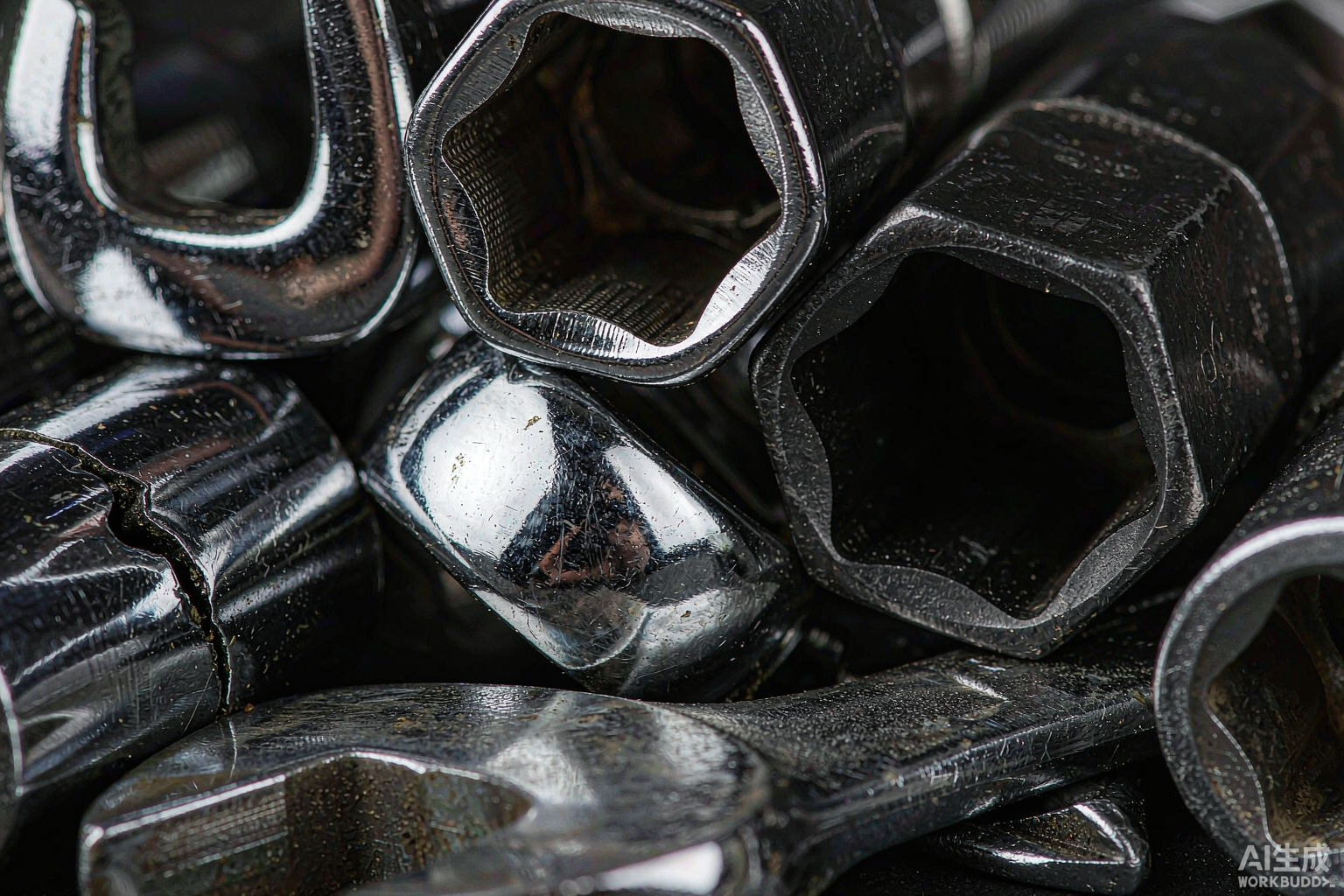
Why Surface Treatment Is More Than Cosmetic
The difference between a ratchet that still looks new after a decade and one that rusts in a damp garage often comes down to a layer you can barely see. Surface treatment protects hand tools from corrosion, improves grip and aesthetics, and signals quality to the end user. For buyers specifying a private-label range, understanding the options prevents costly returns and weak shelf appeal.
Chrome Plating (Mirror Finish)
The most common finish on premium combination wrenches and ratchets. A layer of nickel then chromium is electroplated onto the steel.
- Pros: excellent corrosion resistance, bright “showroom” look, easy to clean, durable for professional use.
- Cons: higher cost, and a hard chrome layer can be slippery without added grip features.
- Best for: consumer and professional ranges where appearance matters.
Black Oxide
A conversion coating that turns the surface black and slightly matte. It is thinner than plating and does not flake.
- Pros: low cost, uniform matte look, mild corrosion resistance (usually needs oil top-coat), no dimensional change — ideal for precision parts.
- Cons: weaker corrosion protection than chrome; relies on a light oil film.
- Best for: sockets, bits, and mechanics’ tools where a “stealth” look is desired.
Phosphate Coating
A crystalline phosphate layer (often zinc or manganese phosphate) that acts as a primer and wear surface.
- Pros: superb oil retention (great for break-in of moving parts), good wear resistance, excellent paint/base for further coating.
- Cons: little stand-alone corrosion protection; almost always paired with oil or paint.
- Best for: internal mechanisms, hinges, and tools that are later painted or coated.
Powder Coating
A dry polymer powder cured under heat into a tough, coloured film — common on tool boxes, cabinets, and handles.
- Pros: thick, chip-resistant, fully colour-customizable, strong corrosion barrier.
- Cons: not suitable for the working faces of steel tools (adds thickness); process-intensive.
- Best for: storage, housings, and branded colour finishes.
Comparison at a Glance
| Finish | Corrosion | Cost | Look | Typical use |
|---|---|---|---|---|
| Chrome plating | Excellent | High | Bright mirror | Wrenches, ratchets |
| Black oxide | Mild (with oil) | Low | Matte black | Sockets, bits |
| Phosphate | Poor alone | Low–Mid | Grey, matte | Primer / moving parts |
| Powder coat | Very good | Mid | Colour, textured | Boxes, handles |
How to Specify It in Your RFQ
When requesting a quote, don’t just say “chrome.” Specify base steel (e.g., Cr-V), plating thickness, salt-spray test hours, and any top-coat. A reputable OEM/ODM partner will propose the right finish for each component and validate it with a salt-spray report.
Kaifu Tools’ Capabilities
Kaifu Tools offers chrome plating, black oxide, phosphate, and powder-coating lines integrated with in-house heat treatment and QC, so finish and durability are controlled end-to-end across your custom hand tool set. Request a finish specification sheet for your next program.