
“How to Choose a Hand Tool Manufacturer in China: A Buyer’s Factory Audit Checklist”
Introduction
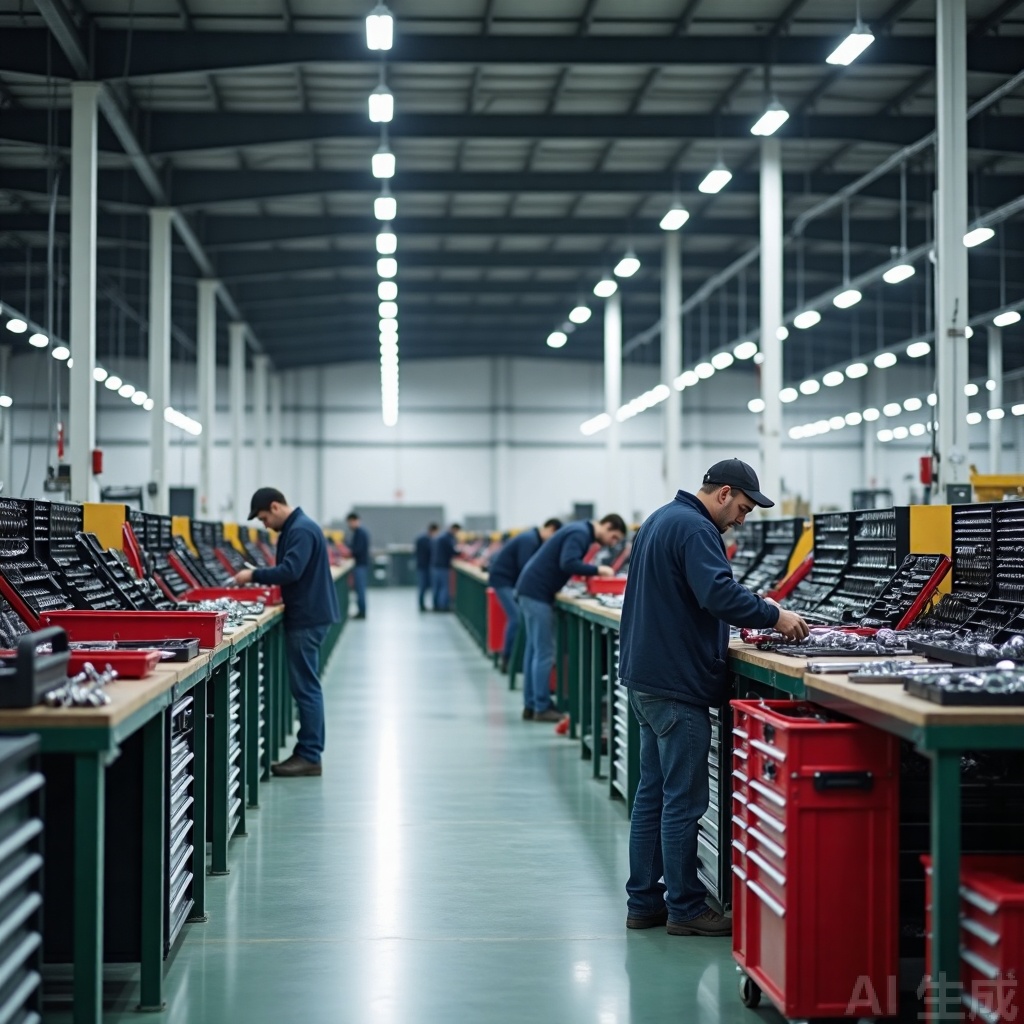
Sourcing hand tool sets from China can unlock aggressive pricing and flexible OEM/ODM programs — but the difference between a reliable supplier and a costly mistake is almost always visible only on the factory floor. This checklist is written for importers, brand owners, and procurement teams who need a repeatable way to vet a hand tool manufacturer before committing to a purchase order.
Note: this article is a companion to our OEM & ODM Hand Tool Sets: From Concept to Shelf guide. Use both when you move from “shortlist” to “sign”.
1. Verify the Legal Entity and Export History
Start with the basics. Ask for the business license, export license, and at least two years of export records (customs declarations or bill-of-lading references). A legitimate hand tool manufacturer should be comfortable sharing:
- Unified Social Credit Code and registered address
- Verified supplier status on platforms (with caution — verify independently)
- References from buyers in your target market
A factory that hesitates to confirm its legal identity is a factory to avoid.
2. Audit Production Capacity and Lead Times
Capacity determines whether your peak-season orders will ship on time. During an audit, look for:
- Forging, heat-treatment, and plating lines owned in-house vs. outsourced
- Number of injection-molding and blow-moulding machines
- Current utilization and confirmed lead time for your SKU mix
A common red flag: a “factory” that is actually a trading company reselling from unknown sub-suppliers. Ask to walk the line.
3. Check Material Sourcing
Hand tool performance lives or dies on steel. Confirm the grades in use:
- Chrome Vanadium (Cr-V) for general sockets and wrenches
- S2 steel for impact bits and high-torque drivers
- Carbon steel and induction-hardened tips for economy lines
Request material mill certificates for a sample batch. Inconsistent hardness (verify with Rockwell testing) is the fastest way to predict field failures.
4. QC System: In-Process and Final Inspection
A credible manufacturer documents QC at three stages:
- Incoming material inspection
- In-process checks (torque, hardness, plating thickness)
- Final random inspection (AQL 2.5 is a common retail standard)
Ask to see the inspection room and recent AQL reports. The absence of a dedicated QC team is a major warning sign.
5. Certifications Buyers Actually Need
Depending on your market, you may need:
- ISO 9001 (quality management)
- GS / TÜV (German safety)
- ANSI (North America) and DIN (Europe) dimensional standards
- GPSR, REACH, RoHS for the EU (see our EU compliance guide)
Certifications should be current and traceable to the specific product line, not a generic company certificate.
6. OEM/ODM Flexibility and Tooling
If you plan a private-label line, confirm:
- Existing mould library you can reuse (lower tooling cost)
- Ability to customize logo, blow-mould, and color
- Minimum order quantities (MOQ) and graduated pricing
7. Red Flags to Walk Away From
- Refuses factory visits or video tours
- No QC documentation
- Vague about material grades
- Pressure to skip inspections to “save time”
- Prices far below market without a clear reason
Conclusion
A disciplined factory audit turns sourcing from a gamble into a managed process. Use this checklist on every shortlisted hand tool manufacturer, and you will consistently separate serious OEM/ODM partners from brokers wearing a hard hat.