
“Building a Private-Label Hand Tool Brand: From OEM to Retail Shelf”
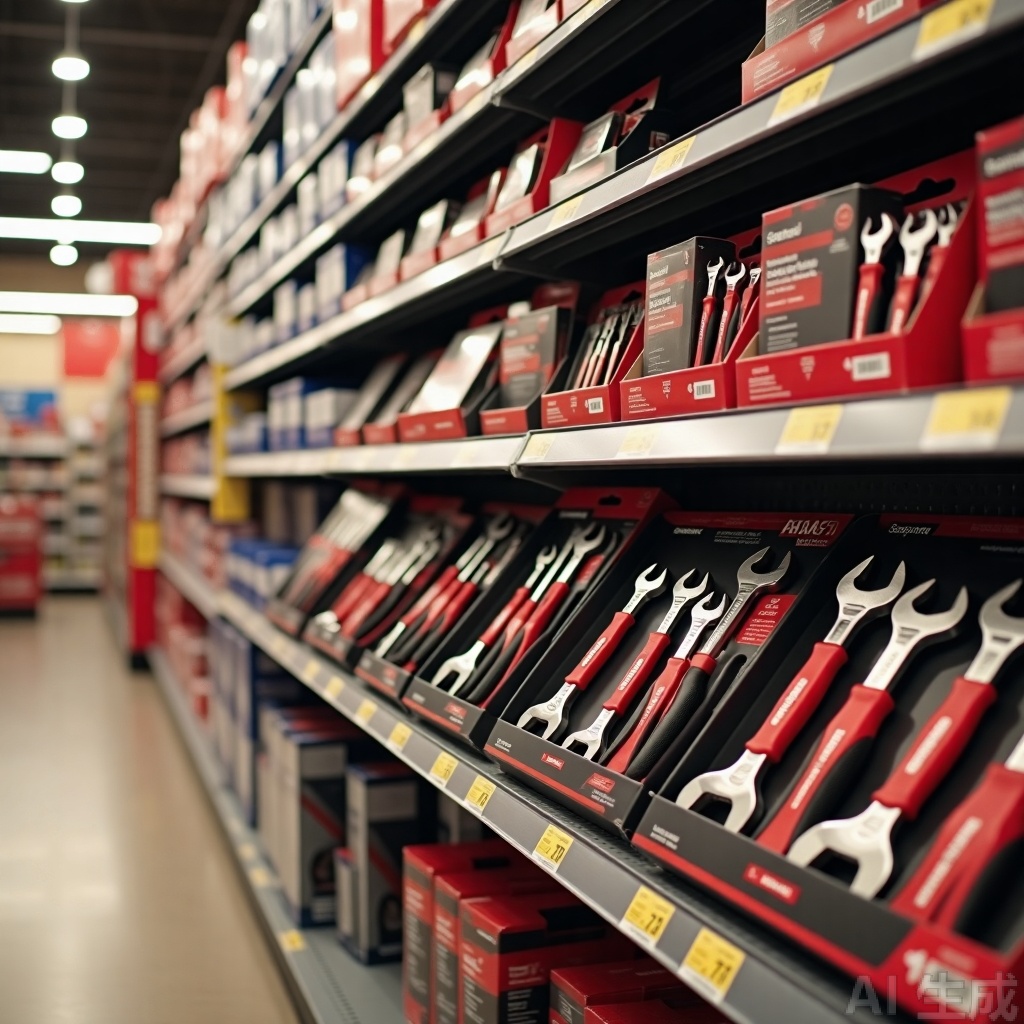
Introduction
Private labeling lets importers capture brand margin without owning a factory. In hand tools, the model is mature: hundreds of global brands are built on Chinese OEM/ODM lines. This playbook walks through the path from first supplier call to a product on the retail shelf.
1. Why Private Label in Hand Tools
- Control over brand, price, and bundle
- Lower upfront risk than building manufacturing
- Faster time-to-market using existing mould libraries
2. Define Your Positioning First
Before contacting factories, decide:
- Tier: economy, professional, or premium
- Channel: mass retail, trade supply, or e-commerce
- Hero SKU: the one set that defines the brand
A clear position prevents the “everything for everyone” trap that kills new brands.
3. Find the Right OEM Partner
Use a structured audit (see our factory audit checklist). Prioritize suppliers with:
- Reusable moulds to cut tooling cost
- In-house plating and QC
- Proven export history to your target region
4. Design and Packaging
Your differentiator is often the case and the color, not the steel. Invest in:
- A distinctive blow-mould layout
- Consistent brand color across the range
- Retail-ready carton with bilingual labeling
5. Compliance and Certifications
Private-label products carry your brand on the liability. Secure the same certifications your market requires — GPSR/REACH/RoHS for the EU, ANSI for North America, and GS/TÜV where relevant.
6. Go-to-Market
- Launch with a hero SKU, then expand the range
- Build retail-ready content (photos, specs, barcode)
- Support your distributors with co-branded material
Conclusion
Private labeling in hand tools is less about invention and more about disciplined execution: position, partner, package, comply, repeat. Done well, it turns a generic tool set into a defensible brand.