
“Cordless vs. Manual Hand Tools: Which Wins for Your Market in 2026”
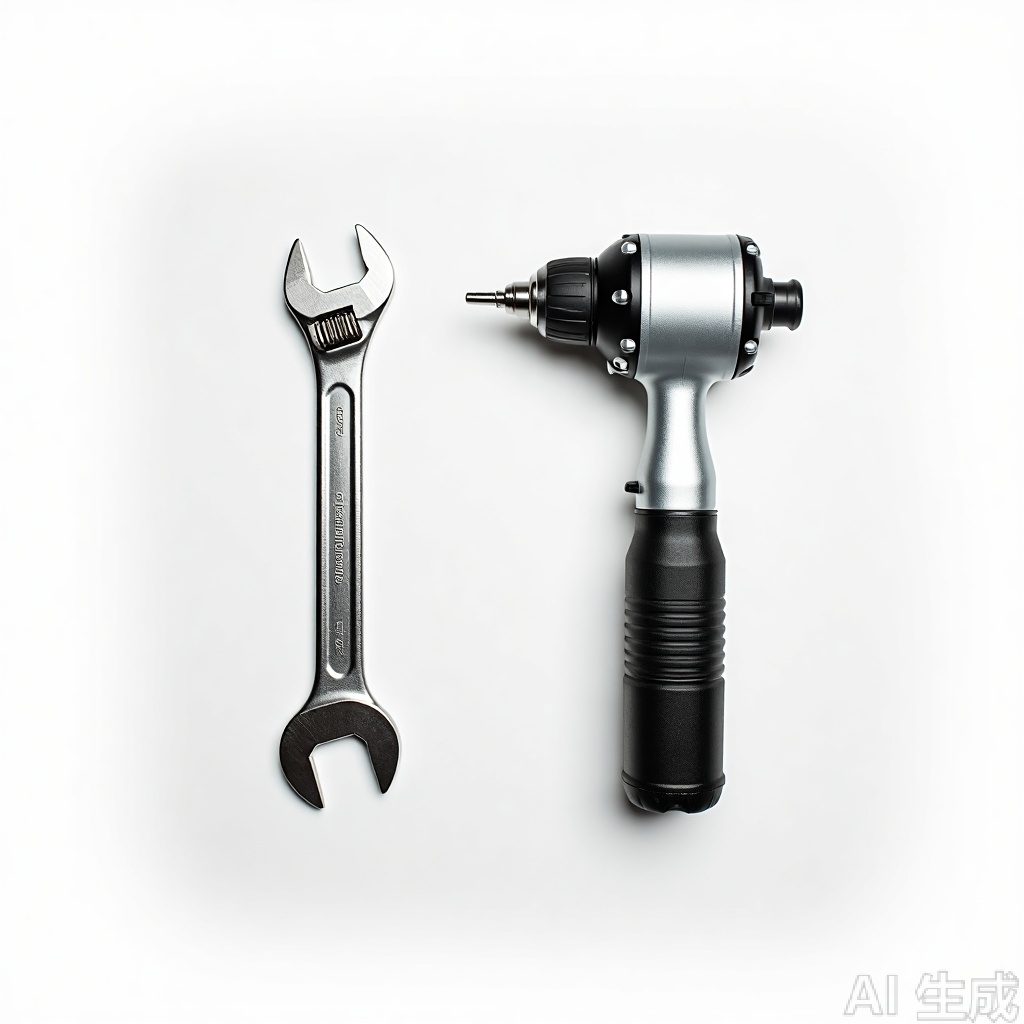
Introduction
Every year the question returns: is the manual hand tool set becoming obsolete? The short answer for 2026 is no — but the mix is shifting. Cordless platforms now dominate professional trades, while manual tools keep their place in kit, emergency, and budget segments. For importers and brand owners, the smart move is to stock a balanced portfolio rather than bet entirely on one side.
The Market Shift Toward Cordless
Battery technology has changed the math. Brushless motors, 18V–20V platforms, and fast chargers made cordless drills, impact drivers, and ratchets genuinely better than many corded options. In North America and Europe, cordless now leads new professional purchases.
Where Cordless Wins
- Repetitive, high-torque fastening on job sites
- Tight or awkward spaces where speed matters
- Trade buyers who standardize on one battery platform
Where Manual Still Wins
- Price-sensitive markets and starter kits
- Emergency / roadside and household sets
- Precision work where feel and control matter
- No battery anxiety — a wrench never runs out of charge
Manual hand tools also carry lower warranty and logistics cost (no batteries, no air shipping restrictions).
The Hybrid Kit Opportunity
The fastest-growing retail format is the hybrid combo kit: a manual socket set plus one cordless driver, sold as a complete “starter workshop.” For B2B buyers, this widens the addressable customer without doubling your supplier base.
What Importers Should Stock in 2026
- A strong core manual line (Cr-V sockets, combination wrenches, ratchets)
- A curated cordless range built around one battery platform
- Hybrid kits for the gift and starter segment
Conclusion
Cordless is the growth story, but manual hand tools are the stable base. The buyers who win in 2026 are the ones who merchandise both — clearly, and side by side.