
Accounting for Vineyards and Wineries: Bragg, Steven M : 9781642211276: Amazon.com: Books

Examine your sales figures to find patterns, the best-selling items, and areas of weakness. This data can drive pricing strategies, promotions, and even future manufacturing decisions. Regardless of which method you use accounting for vineyards and wineries to allocate your costs to your finished product, it is important to use it consistently.
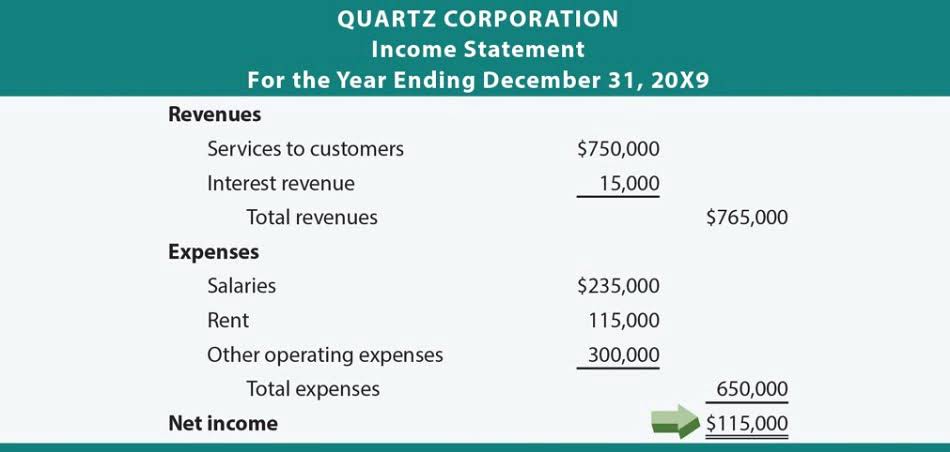
Wine Costing Is Where Profits Go to Live or Die
This is opposed to the much smaller sales volume a winery generates through its tasting room or wine clubs, where the gross margins can be in the 70% range. So, because of the crappy profits on distributor sales, the winery really needs to know how much its products cost. There’s the depreciation on the production facility and equipment, and the labor by the winemaster and the rest of the staff, and utilities, and production supplies, and testing expenses, and so on. So, for example, if 1,000 gallons of Merlot are aged in barrels for six months, then that is 6,000 gallon/months of Merlot. And, if the cellar operation accumulates a half million dollars of costs in a year, that cost is assigned to the Merlot based on its Restaurant Cash Flow Management proportion of the total gallon/months of wine kept in the cellar.
Wineries & Vineyards

Maintaining accurate records is essential for vineyard businesses to ensure compliance with tax obligations and facilitate effective financial oversight. This meticulous documentation directly impacts the overall financial health and operational efficiency of the business. Cloud-based accounting software, like QuickBooks Online, enhances accessibility and simplifies bookkeeping for vineyard operations. These tools are vital for maintaining accurate financial records and ensuring the vineyard’s financial health is accurately portrayed.
- Take measures to protect your financial information from unauthorized use, theft, or damage.
- Without this integration, staff must manually transfer data between systems, increasing the risk of errors and creating inefficiencies in the accounting process.
- In today’s digital age, leveraging technology in wine industry accounting is not just an option but a necessity.
- In short, this course is an essential desk reference for anyone engaged in the accounting for a vineyard or winery.
- Utilizing these services can improve financial accuracy, compliance, and overall business efficiency, allowing winery owners to focus on production and growth.
- The true cost of producing wine extends far beyond grape prices and barrel expenses.
- If you’re not considering all the costs of your wine production in the valuation of your inventory, there is no way to determine with certainty how much you need to sell your finished product for.
Best practices for accurate bookkeeping
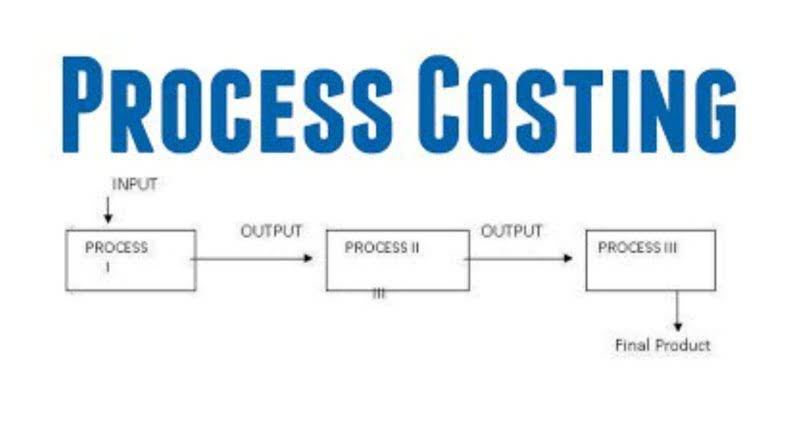
Transaction-level data is sorted into bigger buckets so that the information can be summarized and reported on in an organized and logical manner. Protea Financial is here to help you understand the basics of wine accounting so that net sales you can make informed decisions about your business. Protea Financial is here to help you navigate the world of wine accounting. We have a team of experts who are familiar with the ins and outs of this industry. We can provide the tools and resources you need to manage your finances effectively.
By following this checklist and consulting experienced experts like the team here at Protea Financial, you can make it through this period at ease and maintain your winery’s bottom line. Contact Protea Financial today to find out more about how we can support your winery’s year-end accounting. It’s important to keep track of expenses accurately if you want to calculate your real cost of goods sold (COGS) and profitability.
Why is maintaining accurate records important for vineyard businesses?
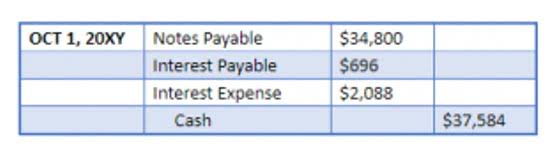
Proper succession planning helps preserve family legacies and ensures the vineyard’s long-term financial health. Knowing when and how to apply these charges is crucial for effective financial planning and ensures accurate portrayal of the winery’s financial health. Maintaining books on a GAAP, true cost, or accrual basis, as opposed to a cash basis or tax basis, offers several significant advantages for your wineris particularly as you grow and refine your operations. We have already talked about the big advantage of accurately measuring your profitability, as opposed to simply your bank balance. Wineries can maintain their books on an accrual basis within their accounting software.
Which accounting method should I use for my winery?
The costs of grapes, bulk wine, glass, and other dry goods must be assigned to separate wines and tracked by SKU. At OBG Outsourcing Private Limited, we bring deep expertise in agricultural, manufacturing, and retail accounting — all key components of the wine business. Pre-productive costs are the farming costs incurred between the time a vine is planted through the harvest date of the first commercially harvestable crop, typically three crop years. An eligible vineyard taxpayer has the option to expense or capitalize these costs into the basis of the vine. For example, consider a winery with inventory costs of $2 million at December 31, 2017, calculated using their old accounting method. Using the simplified method referenced above, assume that the inventory costs are $800,000 at December 31, 2017.
- He has written more than 300 books and courses, including New Controller Guidebook, GAAP Guidebook, and Payroll Management.
- They’re how you uncover hidden costs, maintain compliance with changing regulations, and protect your margins across bad harvests and great years.
- Understanding your expenditures and employing the right strategies can improve your financial health and boost your operational efficiency.
- The simplest way to account for these donations is not to do anything at all.
- To learn more about tax savings opportunities for your winery, please contact your Moss Adams professional.
- To better understand the profitability of the winery’s tasting room operations, wineries should account for tasting room activities as a sub-category within their selling expenses.
Protea Financial offers wine accounting services tailored to meet your needs and help you understand the basics. Each expense — grapes, bottles, and salaries — gets tucked into a “other expense” account. Once you’ve produced the wine and it’s ready for sale, recalculate the cost of making it and move those costs into the inventory accounts. This guide sheds light on winery accounting principles so you can keep an eagle eye on financial health and maximize profits.